







































Stage 6 of 7 · Build
Budget and cost control, earned value
Compare budget, committed and actual cost with progress to forecast the final cost.
- ProfessionalVerwaltungsgebäude Haselmoor: Kostenberechnung nach DIN 276
- Free videos18 videos
- Output
- Monthly cost report with forecast final cost and earned value
- Module
- Cost control, EVM and risk
- Documents
- Standards and references
What it is
Cost control compares what the work should cost with what it is costing and what it is forecast to cost at completion. It brings together the budget, committed costs from orders and subcontracts, actual costs from invoices and timesheets, and the value of work done. Earned value management adds a consistent way to measure performance, comparing planned value, earned value and actual cost to show cost and schedule variance.
The output is a forecast that management can act on. A cost report that only shows money spent tells nothing about the final outcome. Regular cost-value reconciliation reveals loss-making packages early, while there is still time to correct them. On the client side cost control protects the budget and informs decisions on change; on the contractor side it protects margin and cash.
Who does it
- Quantity surveyor or cost manager
- Prepares the monthly cost report, cost-value reconciliation and forecast.
- Project manager
- Explains variances and takes action to recover cost or time.
- Planner
- Supplies progress and planned value so earned value can be calculated.
- Finance
- Provides actual costs and ensures they are correctly coded.
- Commercial director or client
- Reviews forecasts, risk and contingency across projects.
How it runs
Load the budget
Transfer the approved estimate into the budget at cost code level, with contingency held separately.
Record commitments
Capture orders and subcontracts as committed cost against the right codes.
Capture actuals
Bring in invoices, labour and plant costs each period, checked for coding errors.
Measure progress
Record work done so earned value can be compared with actual cost and planned value.
Reconcile cost and value
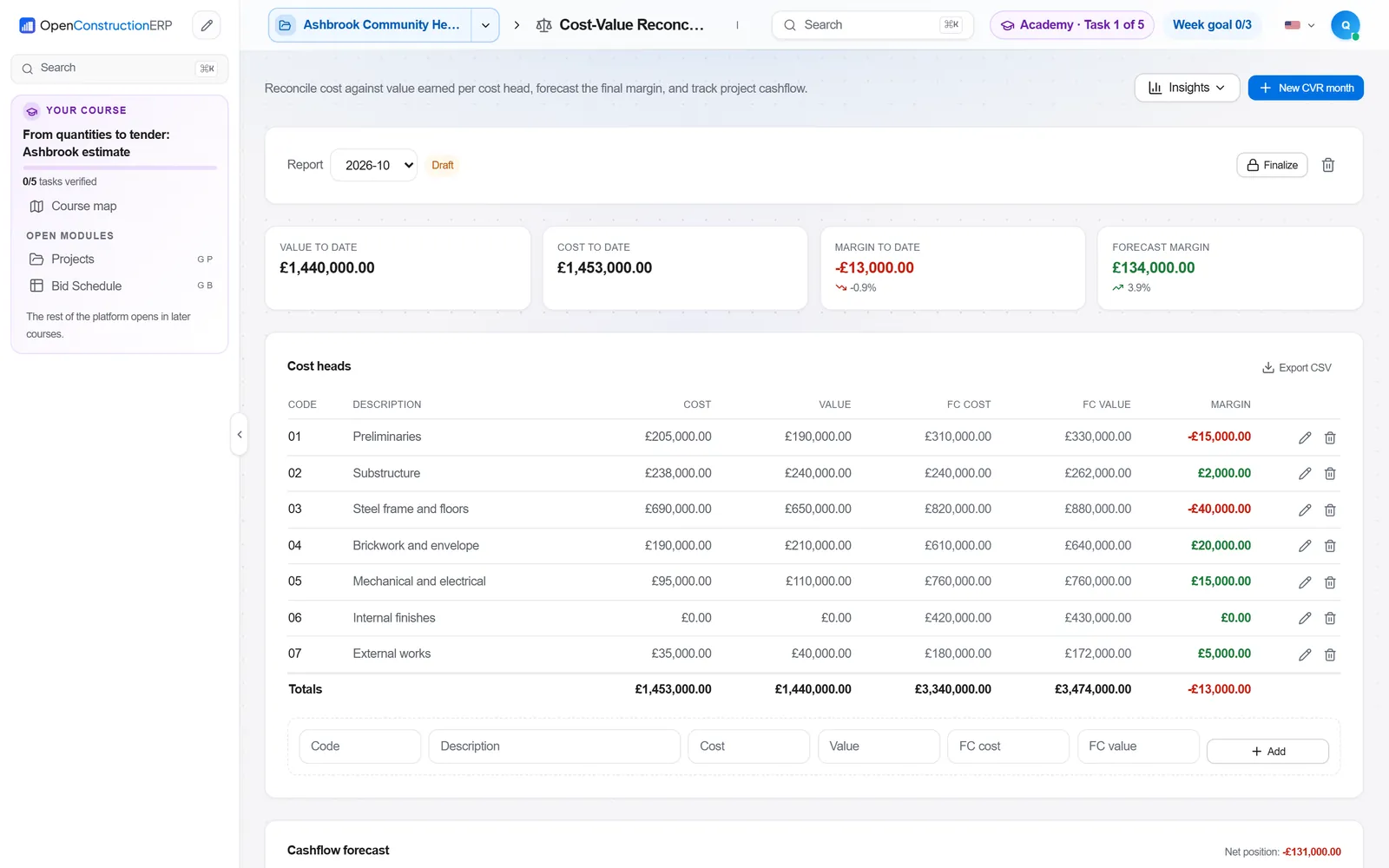
Compare cost to date with value earned, including accruals for work done but not invoiced.
Forecast final cost
Estimate cost to complete for each package and add known risks and changes.
Report and act
Report variances with explanations and agreed actions, and track the actions next period.
How it differs by country
- United Kingdom
- Contractors commonly run a monthly cost-value reconciliation (CVR) on each project. Under NEC4 options C and D, the target cost options, defined cost and the contractor's share are tracked closely.
- Germany
- On the client side DIN 276 provides the structure for cost control through the design stages and Kostenfeststellung at completion. HOAI requires the architect to carry out cost control (Kostenkontrolle) in several work stages.
- France
- The maître d'oeuvre monitors costs against the contract amount and reports on the décompte, while contractors track margin by lot internally. Price revision by published indices is common and must be forecast.
- United States
- Earned value management is standardised in ANSI/EIA-748 and required on many federal projects. Contractors often track committed and actual cost by CSI MasterFormat division.
- International
- Lenders and owners on international projects often ask for earned value reporting with S-curves. Under FIDIC contracts the cost report must allow for variations, price adjustment and claims in progress.
Common mistakes
- Reporting actual cost against budget without allowing for commitments and accruals.
- Measuring progress by money spent rather than by work done.
- Spending contingency without recording why, so the remaining risk cover is unknown.
- Leaving unagreed changes out of the forecast because they are not yet approved.
- Producing reports nobody acts on, with no owner or deadline for corrective actions.
In OpenConstructionERP
Module: Cost control, EVM and risk
OpenConstructionERP supports cost control through the Finance module for budgets, invoicing, payments and earned value. Full EVM adds forecasting, S-curves and TCPI analysis, and the 5D Cost Model combines budget tracking with cash flow projection. Cost-Value Reconciliation & Cashflow runs the monthly comparison of cost against value earned. Project Controls gives an executive read-only view of cost, schedule, risk and change, and the Risk Register scores risks and tracks mitigation so contingency is tied to real exposures.
Finance · Full EVM · 5D Cost Model · Cost-Value Reconciliation & Cashflow · Project Controls · Risk Register
The app runs at openconstructionacademy.com/app for course learners.
Free videos
 7:07Cronograma físico-financeiro de obra: Gantt, caminho crítico e curva SPortuguês
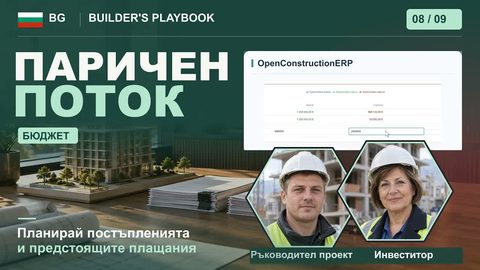 2:08Бюджет и паричен поток: кога строителният проект остава без париБългарски
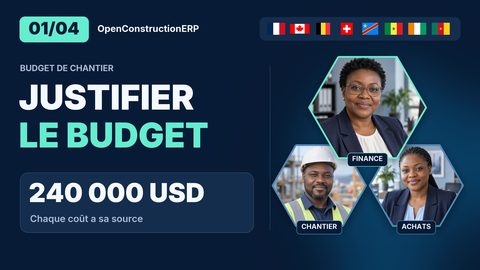 5:06Budget de chantier : justifier chaque coûtFrançais
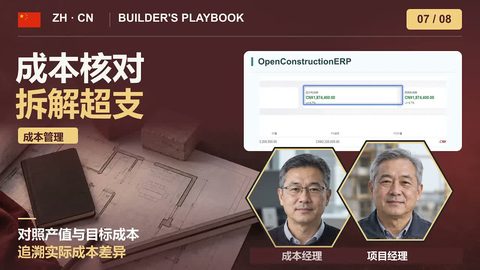 5:17成本核对:产值、目标成本与实际成本,把超支拆到原因中文
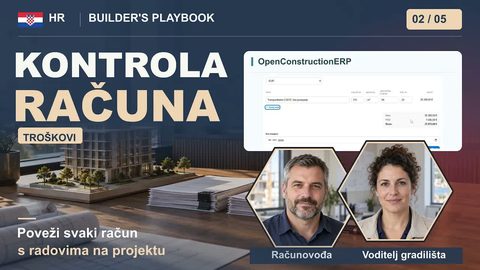 4:28Ulazni računi povezani s troškovnikomHrvatski
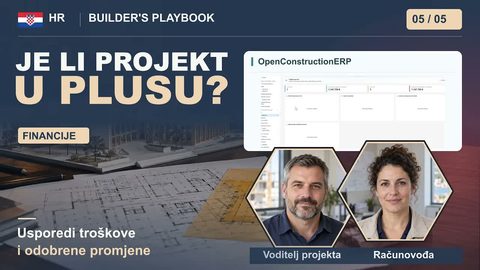 5:13Financijsko stanje projekta i višak radovaHrvatski
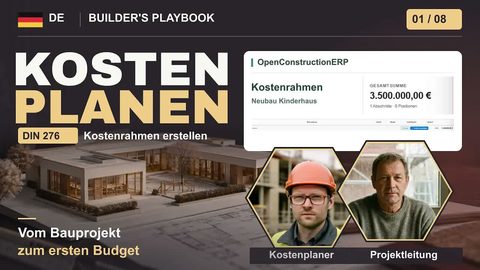 3:45Kostenrahmen nach DIN 276 erstellenDeutsch
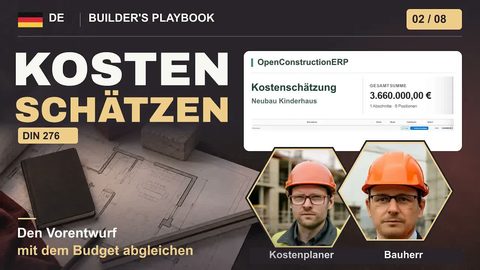 3:28Kostenschätzung nach DIN 276 erstellenDeutsch
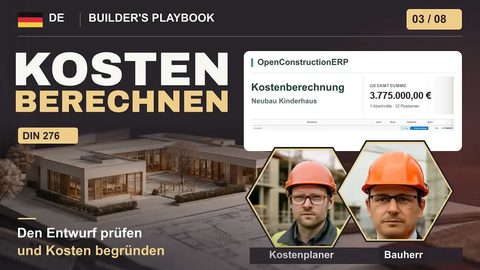 3:36Kostenberechnung nach DIN 276Deutsch
18 videos
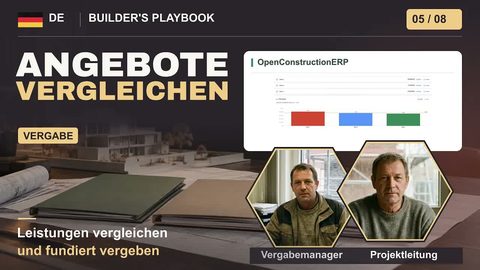 3:43Vergabe im BauwesenDeutsch
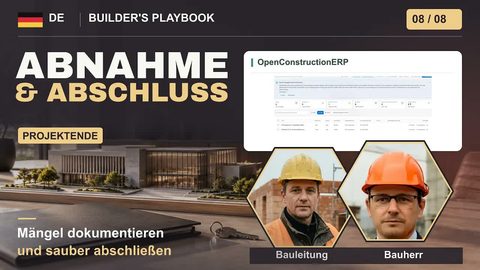 3:45Bauabnahme und SchlussrechnungDeutsch
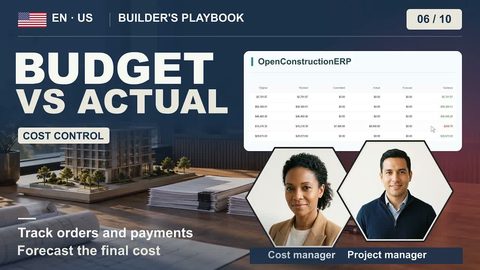 3:22Budget vs Actual: Track Every DollarEnglish
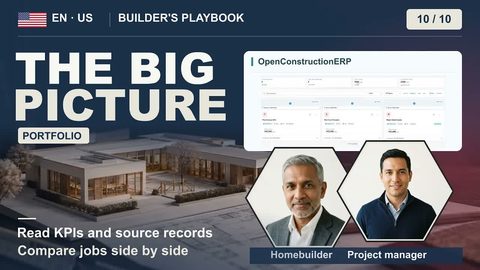 2:35The Big Picture: KPIs to PortfolioEnglish
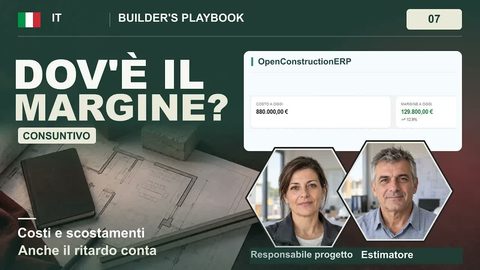 4:45Consuntivo di cantiere: dove è finito il margineItaliano
 7:17Projekt und Verantwortung klärenDeutsch
 10:14Vom vollständigen LV zur KostenbasisDeutsch
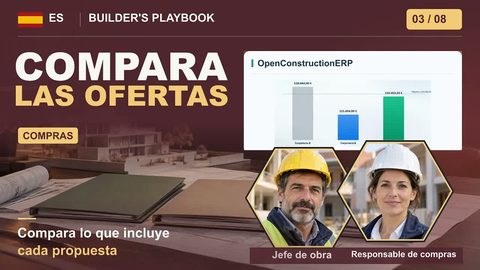 2:10Comparativo de ofertas de obra: precio, alcance y adjudicaciónEspañol
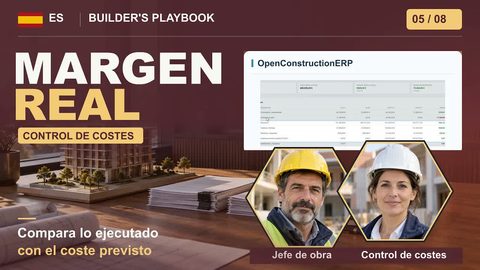 2:09Control de costes de obra: cierre de mes y margen realEspañol
Courses
Checklists
Short checklists that go with this process.
Practise it in OpenConstructionERP
The free videos explain the process. The full course lets you run it yourself in the ERP, task by task.